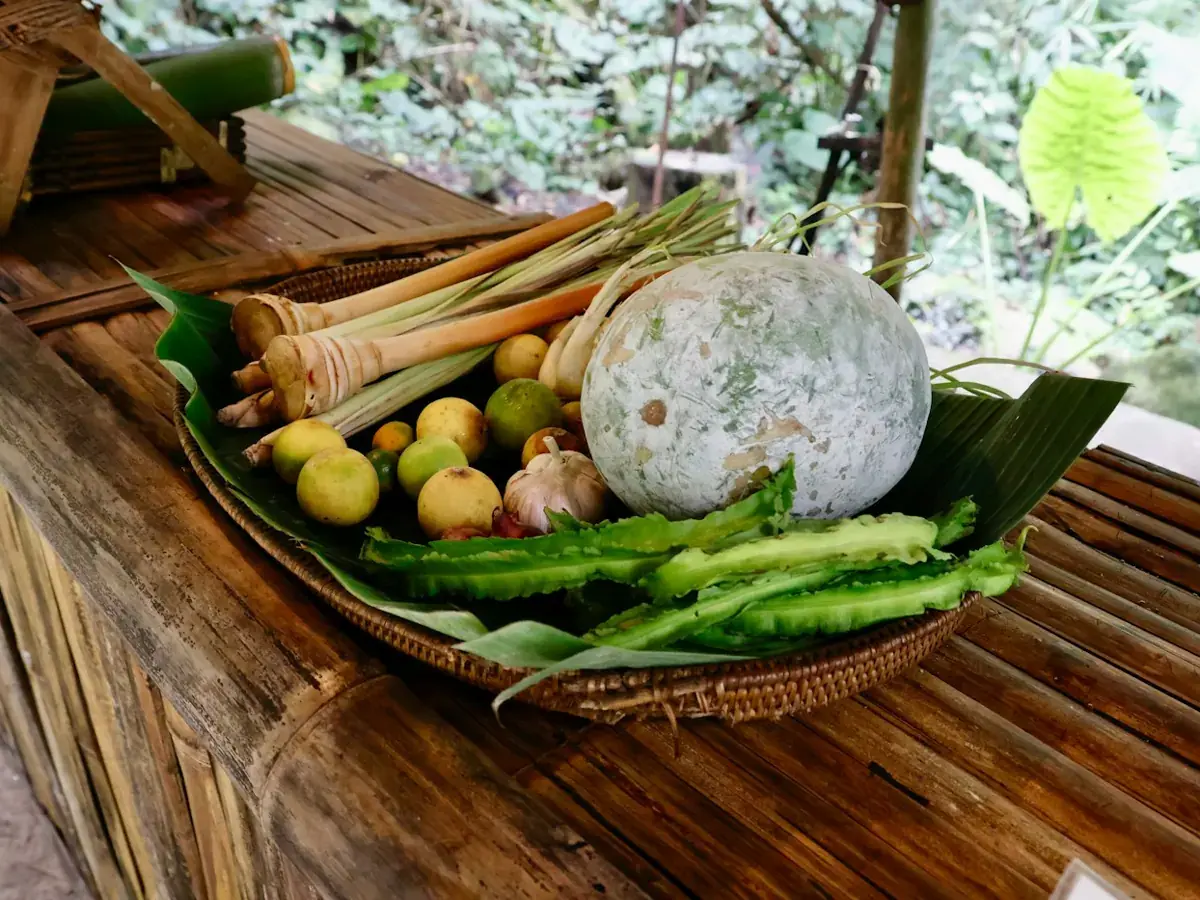
A useful weekly grocery list starts with your kitchen, not a full shopping basket. Check what you already have, choose a few meals, and buy quantities that match the people eating at home. Treat the example below as a planning template rather than a required diet or a fixed-price basket.
Start with a ten-minute kitchen check
Look through the fridge, freezer and dry-food cupboard. Write down ingredients that should be used first, unopened duplicates and everyday staples running low. Keep a small “use first” note where you plan meals. Follow package instructions and discard food that is unsafe; meal planning is not a reason to stretch storage guidance.
Next, count the lunches and dinners you expect to prepare. A week with office lunches and a weekend away needs a different list from a week spent at home. Ask the household which meals they actually want before buying ingredients for an ambitious menu.
Build the list around repeat ingredients
Choose ingredients that can work across several dishes. For example, dhal, onions and a preferred vegetable can fit into a rice meal on one day and a different preparation on another. Pick foods your household enjoys and can eat; account for allergies, preferences and any individual dietary advice.
| List section | Examples to consider | Question before buying |
|---|---|---|
| Main staples | Rice, flour, noodles or bread | Which meals need these, and what is already open? |
| Proteins | Dhal, beans, eggs or a preferred alternative | How many servings are actually planned? |
| Vegetables | A few varieties for your selected meals | Can an ingredient work in more than one dish? |